

Stinging, Gritty, or Fluctuating Vision? Why Your Burning Eyes Need More Than Over-the-Counter Drops
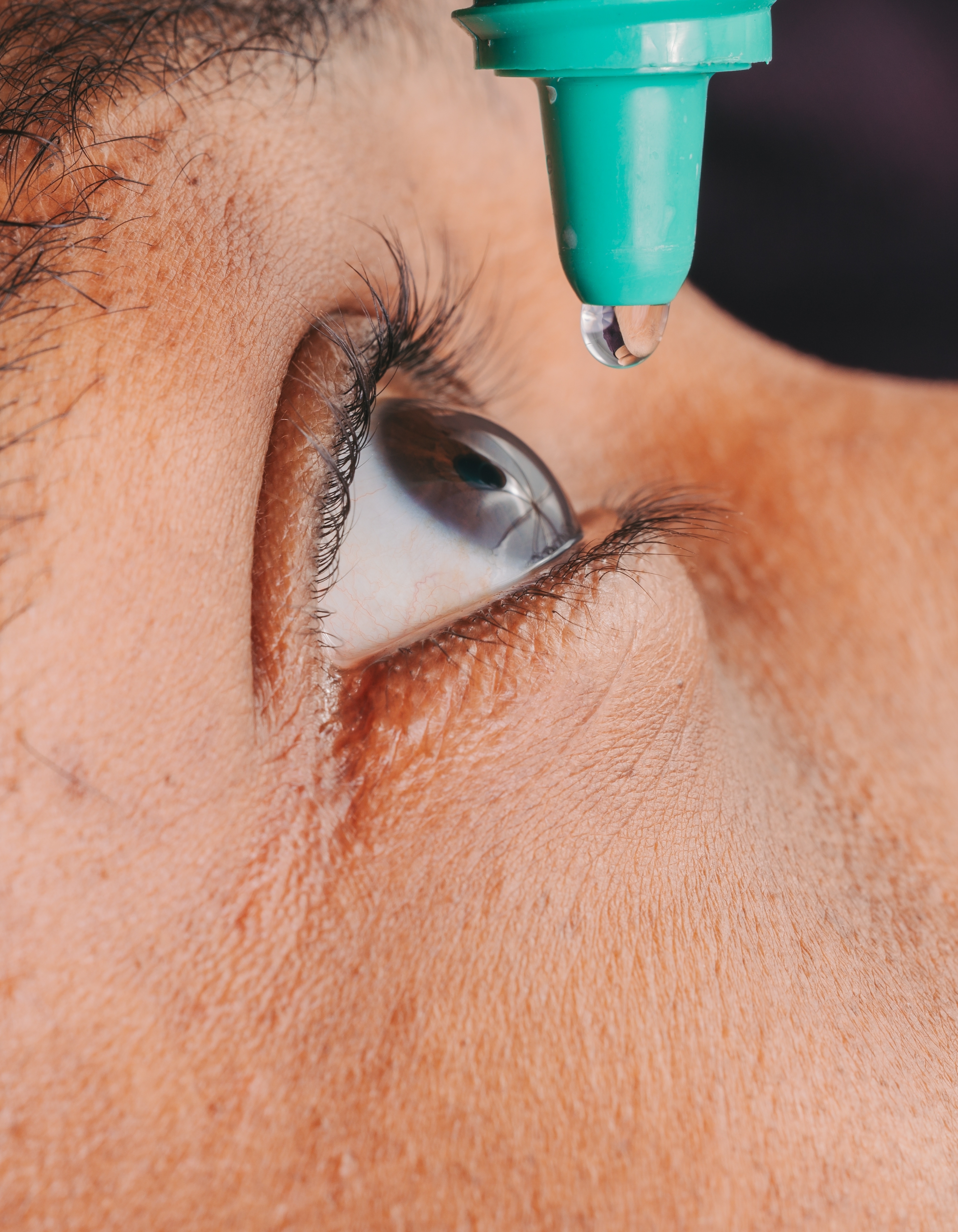
Burning, stinging, gritty eyes can make it hard to focus, read, drive, or get through a long workday. For many people, the first step is usually over-the-counter eye drops. While artificial tears can offer short-term comfort, they may not address the real cause of chronic dry eye symptoms. At Modern Optometry in Philadelphia, our Dry Eye Suite is designed to look beyond surface irritation and identify what is causing your eyes to feel dry, tired, or unstable.
Why Eye Drops Are Not Always Enough
Over-the-counter drops can help lubricate the eyes, but they often work like a temporary bandage. If your dry eye is caused by inflammation, eyelid issues, or poor oil production, the relief may fade quickly.
Many patients with burning eyes also notice fluctuating vision. Their vision may seem blurry one moment and clearer after blinking. This often happens when the tear film is unstable. A healthy tear film needs the right balance of water, oil, and mucus to keep the eye surface smooth. When that balance is disrupted, symptoms can continue even with frequent eye drop use.
The Role Of MGD In Dry Eye
One of the most common causes of evaporative dry eye is meibomian gland dysfunction, also known as MGD. The meibomian glands are located along the eyelids and produce the oily layer of your tears. This oil helps prevent tears from evaporating too quickly.
When these glands become blocked or inflamed, the eyes can dry out faster than normal. MGD can lead to burning, grittiness, redness, watery eyes, and contact lens discomfort. In Philadelphia, patients who spend long hours on screens, work in air-conditioned spaces, or deal with seasonal irritants may notice symptoms more often.
Signs Your Dry Eye Needs Professional Care
You may need more than over-the-counter drops if you experience:
• Burning, stinging, or gritty eyes that return often
• Blurry or fluctuating vision throughout the day
• Redness, watering, or irritation
• Contact lens discomfort
• Tired eyes after screen use
• Symptoms that do not improve with artificial tears
• Crusty eyelids, blepharitis, or signs of MGD
A dry eye evaluation can help determine whether your symptoms are linked to tear quality, eyelid inflammation, gland blockage, or another underlying issue.
Advanced Treatment In Our Philadelphia Dry Eye Suite
Modern Optometry offers advanced dry eye treatment options through our Dry Eye Suite, including iProX IPL (Intense Pulsed Light), InfinityPro Low-Level Light Therapy (LLLT), NuLids eyelid hygiene therapy, amniotic membrane treatment, and more. These treatments are designed to target the underlying causes of dry eye rather than simply masking symptoms.
iProX IPL helps reduce inflammation around the eyelids and supports healthier meibomian gland function. This can improve the oily layer of the tear film, helping tears stay on the eyes longer.
InfinityPro LLLT uses gentle low-level light therapy to support cellular repair and improve meibomian gland performance. NuLids eyelid hygiene therapy helps clean the eyelid margins and remove buildup that can contribute to inflammation, blepharitis, and MGD.
For more severe dry eye or ocular surface damage, amniotic membrane treatment may help support healing and reduce irritation. For many patients, combining these therapies allows us to treat dry eye from multiple angles.
How Personalized Dry Eye Treatment Helps Restore Lasting Comfort
Some patients need help with MGD, while others may need eyelid hygiene therapy, prescription drops, punctal plugs, or additional in-office treatments. A personalized plan gives your eyes a better chance at lasting comfort and clearer, more stable vision.
Schedule a dry eye evaluation at Modern Optometry to learn more about advanced treatment options designed for lasting relief. Contact our office in Philadelphia, PA by calling (215) 335-9090 to book an appointment today.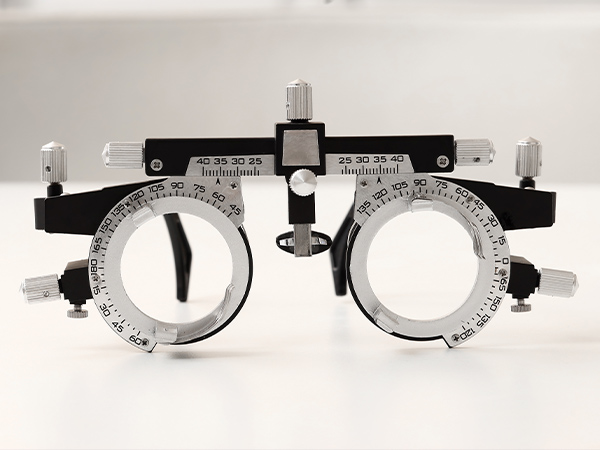

PROUD MEMBERS OF:





Hours of Operation
- Monday 9:00am - 6:30pm
- Tuesday 9:00am - 6:30pm
- Wednesday 9:00am - 4:30pm
- Thursday 9:00am - 4:30pm
- Friday Closed
- Saturday By Appointment Only
- Sunday Closed
© 2026 Modern Optometry. All rights Reserved. Accessibility Statement - Privacy Policy - Sitemap
Managed and Designed By:
