

Modern Optometry: Dry Eye Syndrome Can Happen at Any Age
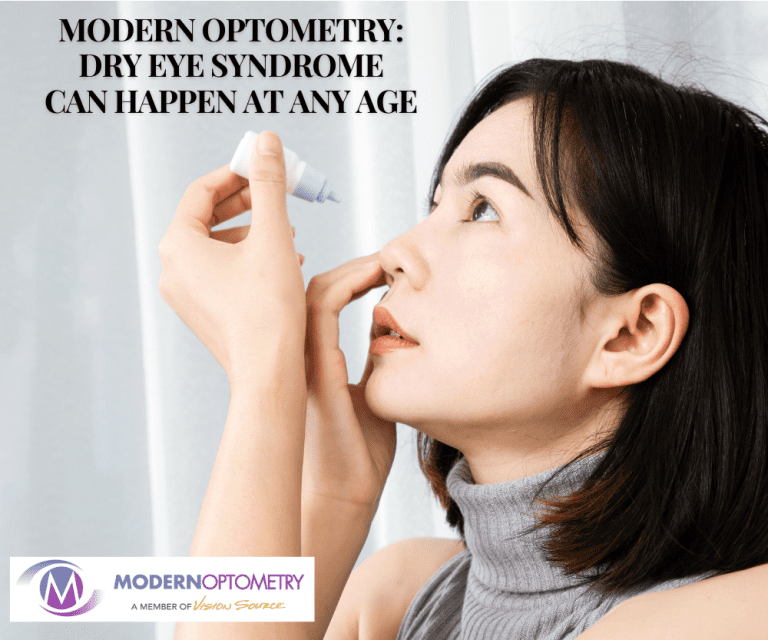
In the realm of Modern Optometry, it’s essential to recognize that eye health issues, such as Dry Eye Syndrome, don’t discriminate by age. While many may associate this condition with older individuals, it can affect people of all ages. In this blog post, we will explore Dry Eye Syndrome, its causes, symptoms, and treatment options, emphasizing that it can impact individuals at any stage of life.
Understanding Dry Eye Syndrome:
Dry Eye Syndrome, also known as keratoconjunctivitis sicca, is a common eye condition characterized by inadequate tear production or poor tear quality. Tears are essential for maintaining the health and comfort of the eye’s surface. When the eyes do not receive enough lubrication, they can become dry, irritated, and prone to damage.
Causes of Dry Eye Syndrome:
Age-Related Factors:
As people age, the risk of developing this condition increases due to reduced tear production and changes in tear composition.
Environmental Factors:
Modern lifestyles often involve extended periods of screen time, which can reduce the frequency of blinking and lead to dry eyes.
Medications:
Certain medications, such as antihistamines and decongestants, can contribute to dry eye symptoms.
Medical Conditions:
Systemic diseases like diabetes, rheumatoid arthritis, and Sjögren’s syndrome can be associated with Dry Eye Syndrome.
Recognizing Dry Eye Symptoms:
Symptoms can be uncomfortable and sometimes painful. They include:
Stinging or burning sensations
Excessive tearing as a reflex to dryness
Sensitivity to light
Blurred vision
Eye fatigue
Redness
Feeling like there’s something in the eye
Dry Eye Syndrome in Younger Individuals:
While the condition is more prevalent among older adults, it is important to highlight that Dry Eye Syndrome can affect younger people too. Factors like prolonged screen time, contact lens use, and environmental conditions contribute to its occurrence in younger individuals. Ignoring these symptoms can lead to complications and decreased quality of life.
Preventing and Treating Dry Eye:
Optometrists play a vital role in the diagnosis and management of this eye condition. Some effective strategies to prevent and treat dry eyes include:
Use of artificial tears or lubricating eye drops
Lifestyle modifications like regular breaks during screen time
Blink exercises to promote tear production
Prescription medications for severe cases
In-office procedures like punctal plugs
Modern Optometry recognizes that Dry Eye Syndrome is not limited to any specific age group. Regardless of your age, it’s crucial to be aware of the symptoms and risk factors associated with this condition. Regular eye exams and discussions with your optometrist can help identify and address this condition at any stage of life, ensuring your eyes stay healthy and comfortable. Don’t let dry eyes go untreated; consult your optometrist for personalized guidance and solutions.

PROUD MEMBERS OF:







Hours of Operation
- Monday 9:00am - 6:30pm
- Tuesday 9:00am - 6:30pm
- Wednesday 9:00am - 4:30pm
- Thursday 9:00am - 4:30pm
- Friday Closed
- Saturday By Appointment Only
- Sunday Closed
© 2026 Modern Optometry. All rights Reserved. Accessibility Statement - Privacy Policy - Sitemap
Managed and Designed By:
