

How Comprehensive Eye Exams Detect More Than Vision Problems
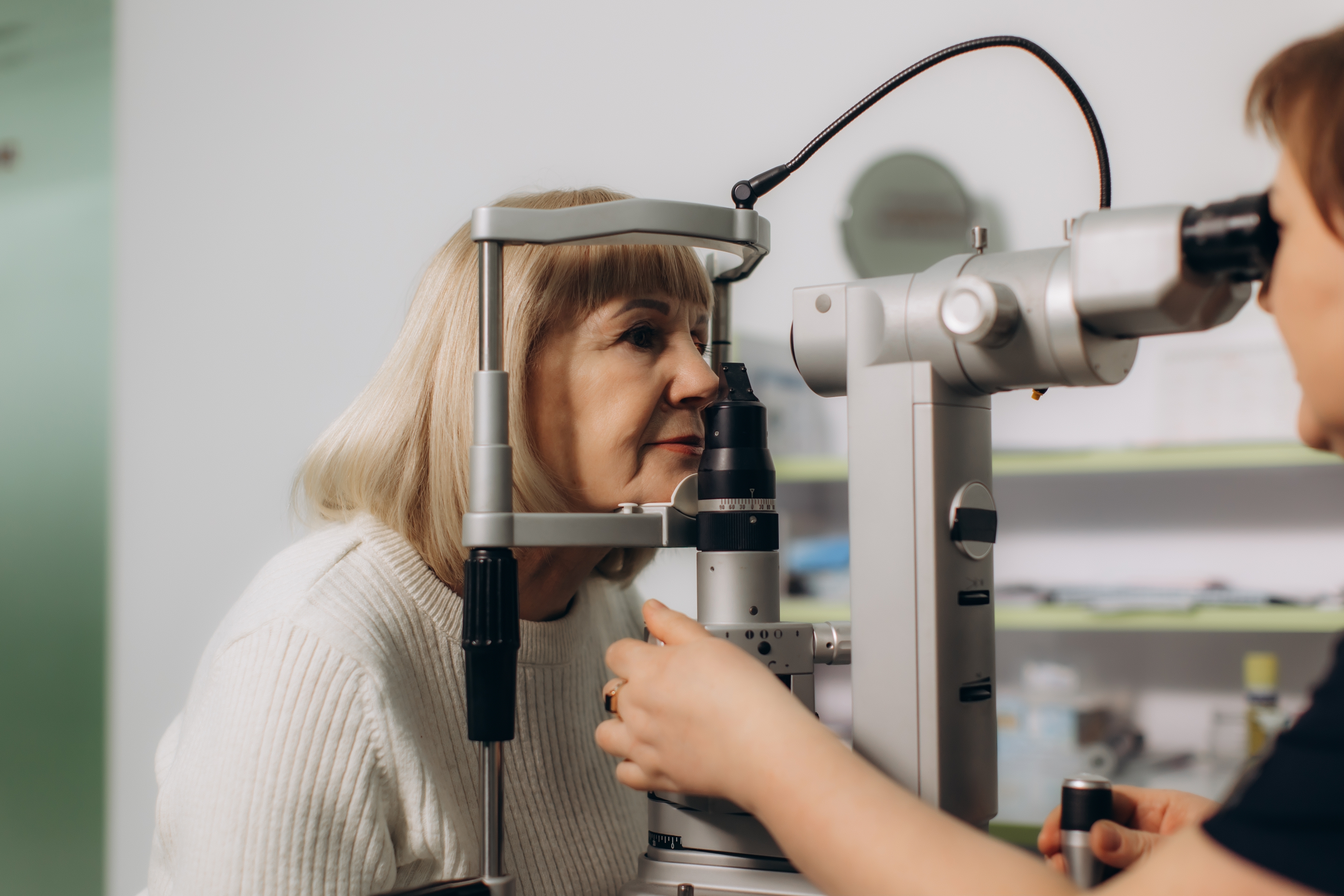
Clear vision is only one part of healthy eyesight. A comprehensive eye exam evaluates how well you see while also examining the structures and functions of your eyes. For patients in Philadelphia, regular eye exams provide an important opportunity to identify subtle changes before they begin affecting daily life.
At Modern Optometry, comprehensive eye exams assess visual clarity, eye coordination, eye pressure, peripheral vision, and overall eye health. This detailed evaluation provides much more information than a basic vision screening.
More Than Reading an Eye Chart
Reading letters on an eye chart helps measure visual acuity, but it does not provide a complete picture of your eye health. During a comprehensive eye exam in Philadelphia, your optometrist reviews your medical history, family history, medications, current symptoms, and previous vision concerns.
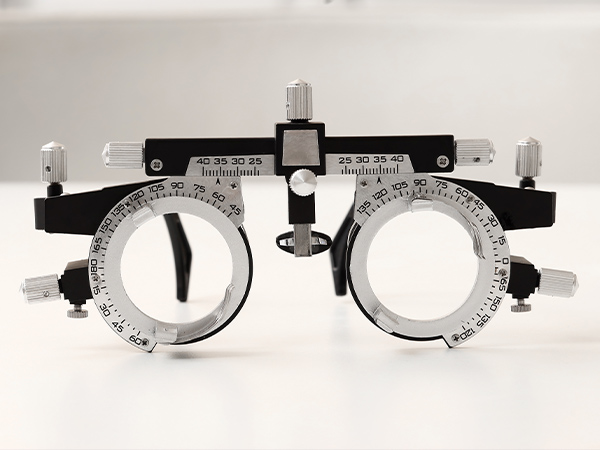
Additional testing examines how your eyes focus, move, respond to light, and work together. The internal and external structures of the eyes are also evaluated for changes that might require monitoring or treatment.
A comprehensive eye exam may help detect:
• Nearsightedness, farsightedness, astigmatism, and presbyopia
• Early signs of glaucoma or increased eye pressure
• Cataracts and age-related lens changes
• Retinal or macular abnormalities
• Dry eye disease and corneal concerns
• Eye changes associated with diabetes or high blood pressure
Identifying Eye Diseases Before Symptoms Appear
Some eye diseases develop gradually and do not cause noticeable symptoms during their earliest stages. A person might see clearly while changes are already occurring within the retina, optic nerve, or other eye structures.
Glaucoma, diabetic retinopathy, cataracts, and macular degeneration are among the conditions that might be identified during a comprehensive eye exam. Early detection allows our eye doctor to recommend monitoring, treatment, lifestyle changes, or further medical evaluation when appropriate.
Regular exams also establish a baseline for your eye health. Comparing results over time helps your Philadelphia optometrist recognize changes that might otherwise be difficult to notice during a single visit.
Your Eyes Can Provide Clues About Overall Health
The eyes offer a direct view of blood vessels, nerves, and other tissues. Because of this, certain changes observed during an eye exam may provide clues about conditions affecting other areas of the body.
For example, changes in retinal blood vessels may be associated with diabetes or high blood pressure. Unusual findings involving the optic nerve, pupils, or eye movements may also require additional evaluation. An eye exam does not replace a physical examination, but it can identify signs that should be discussed with a primary care physician or specialist.
Discussing Symptoms Provides Important Information
Even minor symptoms can help your optometrist understand how your eyes are functioning. Frequent headaches, eye strain, blurry vision, difficulty seeing at night, light sensitivity, new floaters, or changes in peripheral vision should be mentioned during your appointment.
Patients should also discuss chronic health conditions, previous eye injuries, medications, and family histories of glaucoma, macular degeneration, or other eye diseases. These details help personalize testing and determine how frequently comprehensive eye exams should be scheduled.
Eye Care for Every Stage of Life
Children need healthy vision for learning and development, while adults require ongoing monitoring for prescription changes and emerging eye conditions. As people age, the risk of cataracts, glaucoma, macular degeneration, and other concerns increases.
Modern Optometry provides comprehensive eye exams for adults and children aged five and older in Philadelphia. Each examination is tailored to the patient’s age, medical history, symptoms, and individual vision needs.
Schedule a comprehensive eye exam with Modern Optometry to protect your vision and gain valuable insight into your overall eye health. Contact our office in Philadelphia, PA, by calling (215) 335-9090 to request an appointment.

PROUD MEMBERS OF:





Hours of Operation
- Monday 9:00am - 6:30pm
- Tuesday 9:00am - 6:30pm
- Wednesday 9:00am - 4:30pm
- Thursday 9:00am - 4:30pm
- Friday Closed
- Saturday By Appointment Only
- Sunday Closed
© 2026 Modern Optometry. All rights Reserved. Accessibility Statement - Privacy Policy - Sitemap
Managed and Designed By:
